
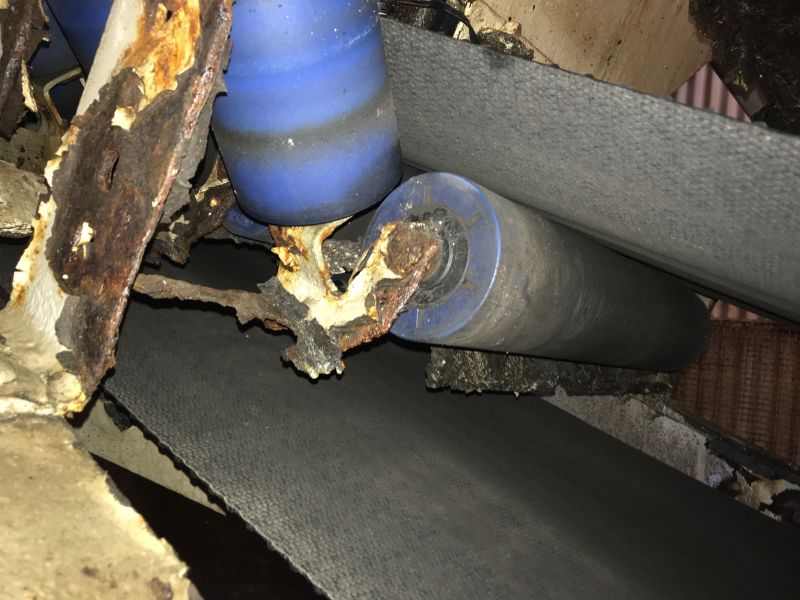
Seized or frozen rollers create additional stress on the conveyor drive motor and accelerate belt wear if not detected early. Friction between a failed roller and the belt wears away the roller casing, creating sharp edges that damage the belt and shorten its life. In industries like grain and coal handling, a seized roller is also a common cause of fire risk due to friction between the steel roller and rubber belt. Replacing failed rollers introduces further safety risks — working at heights, in exposed or confined spaces, and manual handling of heavy idler frames.
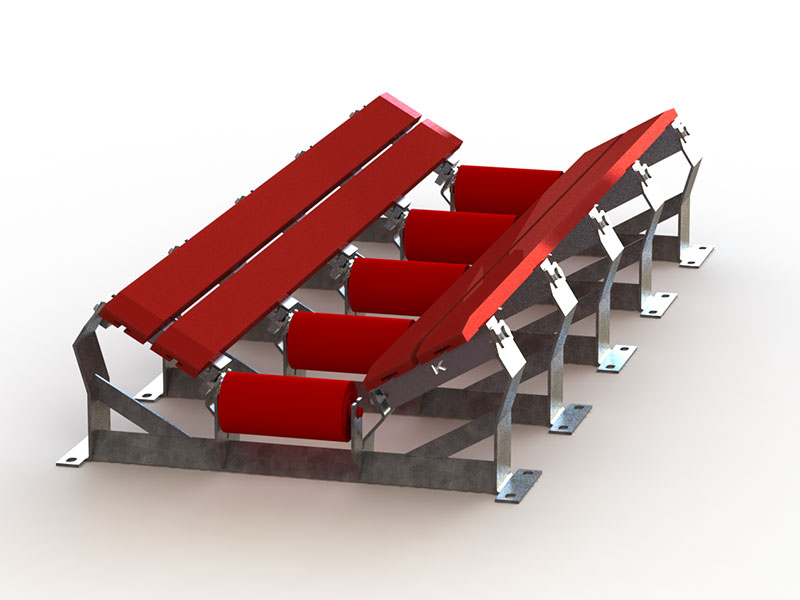
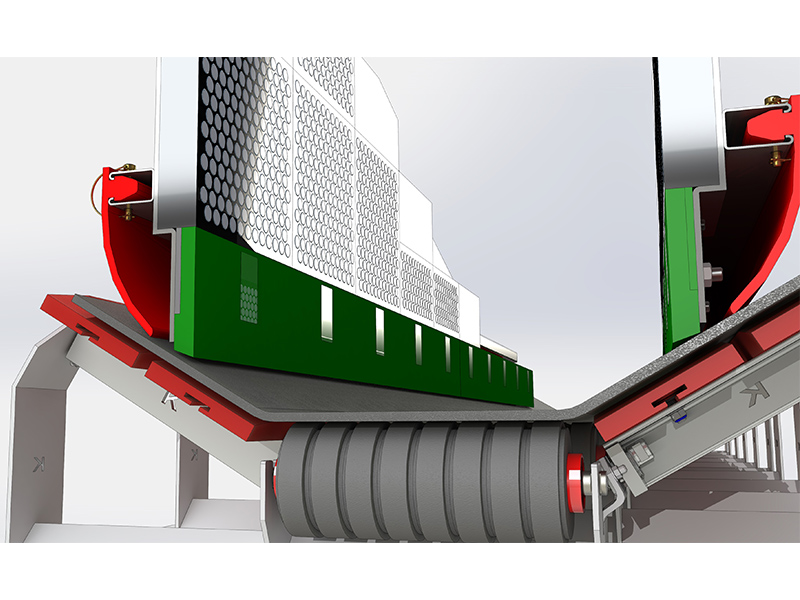
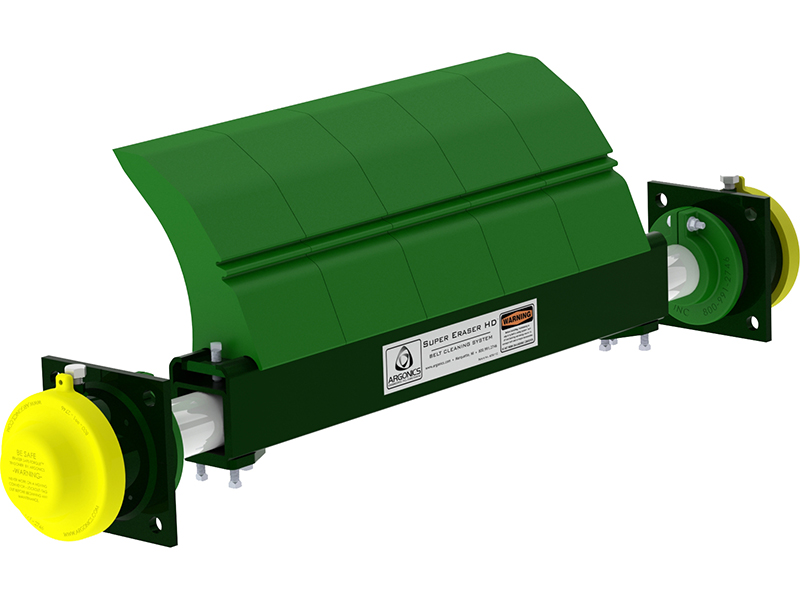
We’ve got your Premature Roller Failure problems covered with these Kinder Engineered Conveyor Solutions:
Decreased Conveyor Hardware Performance
Removing frozen or seized rollers is essential as operating with seized rollers creates additional stress on the conveyor drive motor, and increased wear of the conveyor belt asset if not detected early.
Friction between a failed roller and the conveyor belt wears away the roller casing creating sharp edges, which in turn causes damage or excessive wear to the belt, shortening conveyor belt life.
Risk of Fire Hazard
A seized roller is a common cause of fire risk in some industries, such as grain and coal operations because of the friction between the steel roller and the rubber belt.
Risk to Personal Safety
A number of personal safety risks issues are presented when replacing failed rollers such as working from heights, working in exposed areas, increasing the risk of heat stroke, and working in confined spaces such as transfer points (requiring additional work permits). To remove a conveyor roller, the idler frame must be removed from the belt, and are typically heavy especially with the added weight of the conveyor belt, which increases manual handling risks.
How to Reduce Premature Roller Seizure
To ensure the maximum performance capabilities of conveyor rollers a conveyor belt should maintain the stable flow of material with correct belt alignment. Also the operating conditions should be as clean as possible, and skirting seals need to be monitored and maintained effectively. Belt cleaning systems should be installed and self-cleaning idler devices should be utilised to reduce carryback.