
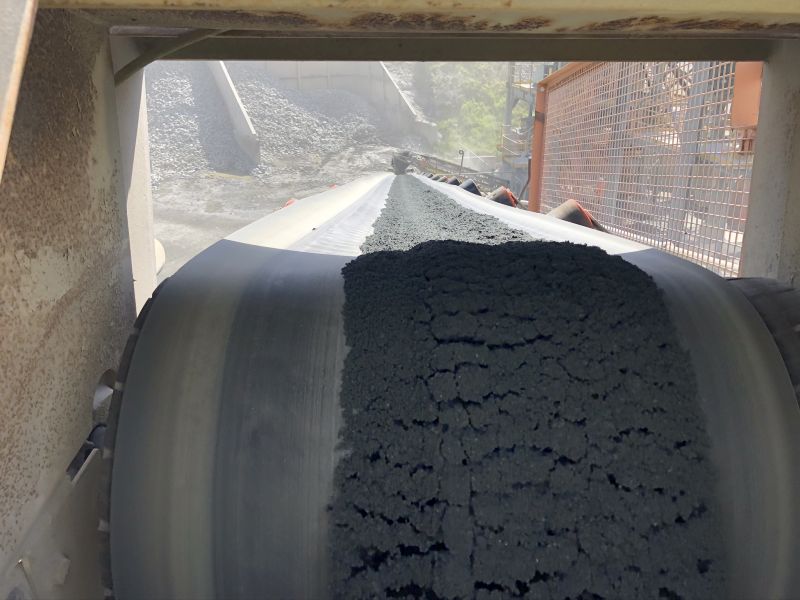
Belt misalignment is the off-centre travel of the conveyor belt along the conveyor system. Misalignment can be caused by a number of factors including damaged conveyor structure or ill-fitting components, poor belt splices, environmental conditions or material loading effects. Misalignment creates 2 main problems, damage to the conveyor belt/structure and material spillage.
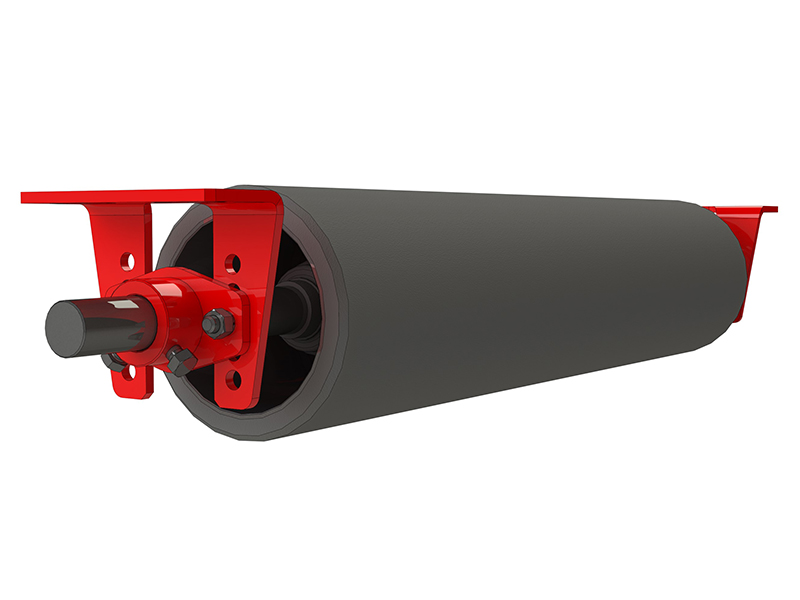
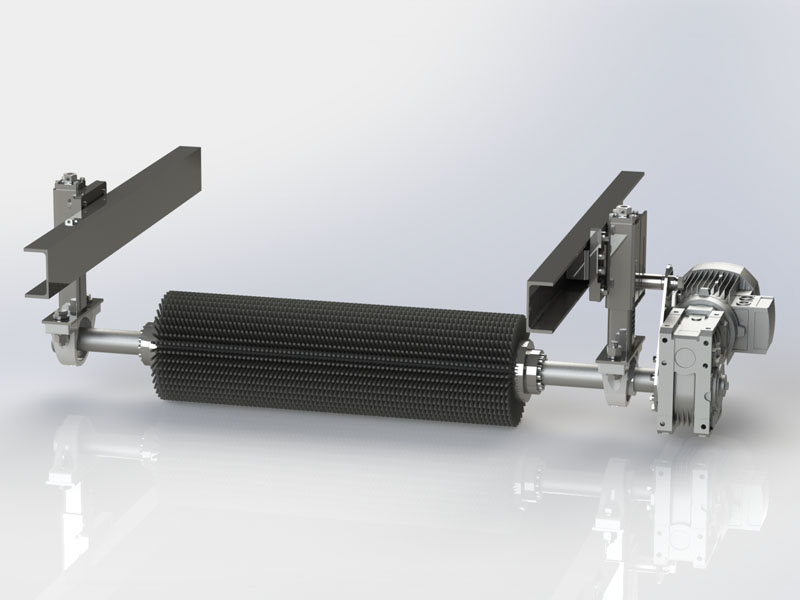
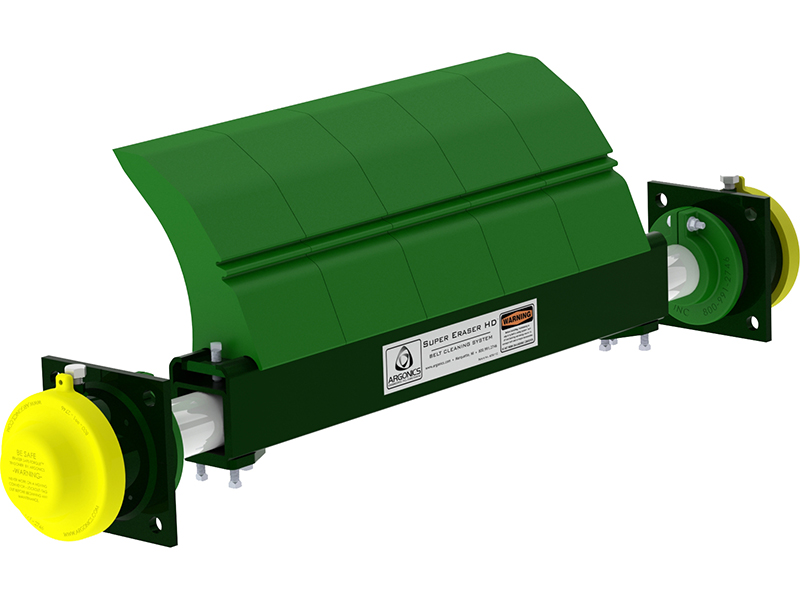
We’ve got your Belt Misalignment problems covered with these Kinder Engineered Conveyor Solutions:
Damage to the Conveyor Belt and Conveyor Structure
As the belt wanders, the edge of the conveyor belt is at risk of damage, as well as the conveyor structure. Conveyor structural damage is a significant safety risk. Replacement of the conveyor belt is costly and requires an interruption in production time to make the installation.
Material Spillage
Misalignment often causes spillage as it shifts the conveyed material from the middle of the belt. Spillage increases the risk of personal injury in the form of trips, slips, falls and entanglement. Spillage also damages the idlers and cause the rollers to seize up.
How to Prevent Belt Misalignment
First the belt needs to be audited and problem areas identified. Next the idlers and pulleys should be aligned, so that correct loading in the centre of the belt can be achieved. Belt tracking devices should be installed to ensure that the belt remains level and “true” under all operating conditions.
Install a centralising idler device, plus an early warning support mechanism to cue safety drift misalignment.