
Conveyor Dust Suppression System For Risk Prevention
Uncontrolled dust in the workplace presents significant dangers, including the risk of developing silicosis. Dust suppression systems are essential in managing and containing dust around conveyor transfer load zones, reducing clean-up costs and minimising health hazards, while also protecting the environment and conveyor equipment from dust-related damage.
At Kinder, we’ve got your conveyor dust control covered with these engineered conveyor solutions:

Impact Load Zone Belt Support
Belt support cushions the loading zone and distributes material weight evenly. A flat, supported belt line keeps skirting sealed, preventing gaps that let dust escape.
Conveyor Skirting & Sealing
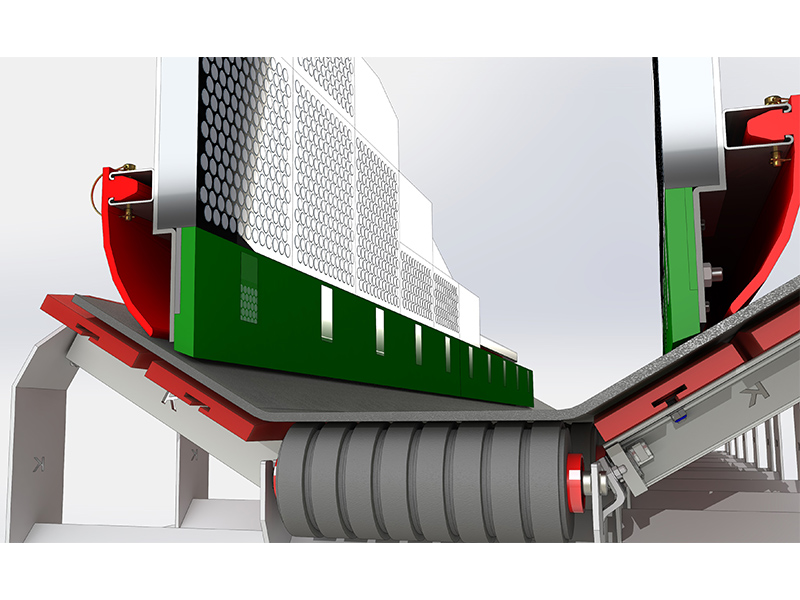
Skirting and sealing systems close the gap between the belt edge and chute wall, containing dust and material at the source. Kinder’s Essential Seal pairs skirting with a containment structure for fully sealed transfer points.
Primary Series Pre-Cleaner
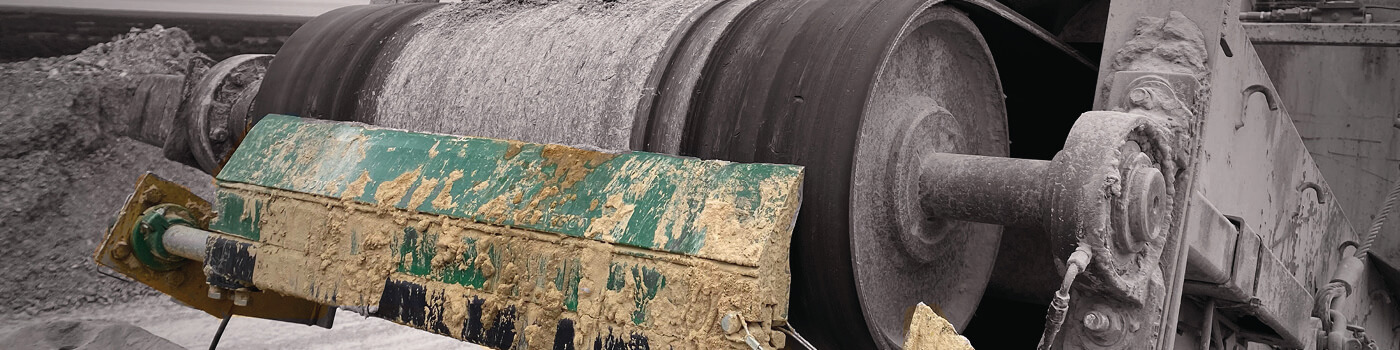
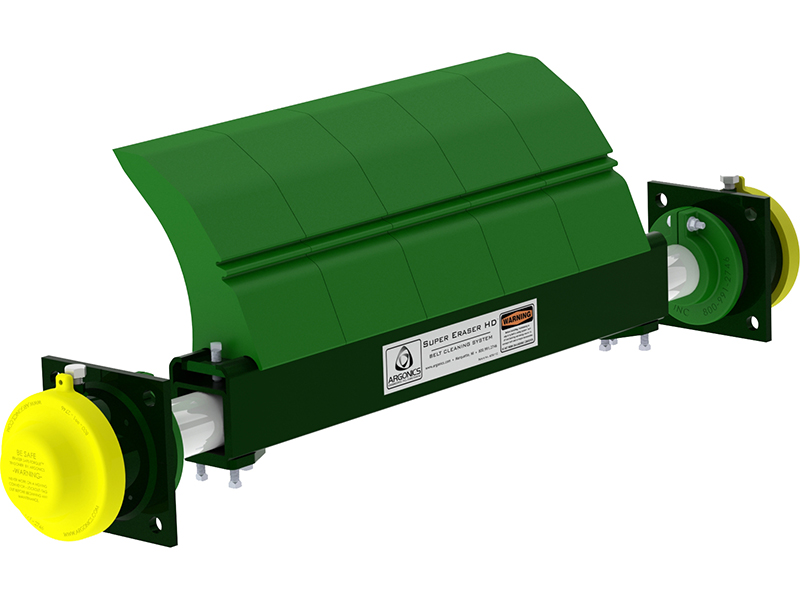
Primary belt cleaners sit at the head pulley and remove most carryback before it becomes airborne dust or falls from the return belt. Reducing carryback at the source limits dust further along the conveyor.

Conveyor Covers & Enclosures
Covers and enclosures reduce airflow around conveyed material and shield the belt from wind, a major source of dust escape on exposed or overland conveyors. Easy maintenance access reduces labour and downtime.
Not sure which system is right for your application?
Our team can conduct a conveyor health check and recommend the best combination of products for your site.
Protect Your People, Your Productivity and the Environment
Dust control is a critical aspect of maintaining safe and efficient operations in industrial environments. Without proper measures, dust can pose significant risks to personal safety, the environment and equipment functionality.
Risk to Personal Safety
Inhaling fine airborne dust particles poses serious health risks. It also causes reduced visibility and access in dusty areas, increasing the likelihood of slips, trips and falls.
Risk to the Environment
Dust can escape site boundaries, contaminating sensitive ecosystems like wetlands and rivers, and sparking regulatory concerns and community tensions.
Damage to Conveyor Equipment
Accumulated dust can spread quickly, interfering with conveyor equipment, causing unnecessary shutdown periods, costly repairs and maintenance.
Strategies for Effective Conveyor Dust Suppression
A comprehensive dust suppression system helps protect workers from hazards such as silicosis while safeguarding equipment and the environment. The following strategies can improve safety and operational efficiency:
Skirting and seals
Unsealed transfer points and open belt drops cause massive airborne dust clouds. This creates severe worker health hazards, and the potential for environmental compliance penalties. Effective dust suppression can be achieved by installing skirting and containment seals at conveyor transfer points. Innovative, self-adjusting skirting systems reduce the need for manual intervention, enhancing safety and efficiency.
Covers and enclosures
To optimise dust suppression, it is crucial to minimise airflow around conveyed materials, especially in overland conveying systems. Using conveyor covers and enclosures that provide easy maintenance access helps reduce labour and downtime, ensuring a more efficient dust containment and control process.
FAQ
Why is dust suppression important on a conveyor system?
Uncontrolled dust presents serious health risks, reduces visibility and safety around the conveyor, and can damage conveyor equipment if left unmanaged.
How is effective conveyor dust control achieved?
By installing skirting and containment seals at transfer points. Self-adjusting skirting systems reduce the need for manual intervention and improve safety and efficiency.
What else can be done to manage dust emissions?
Minimising airflow around conveyed materials (especially on overland conveyors) and using belt covers with easy maintenance access both help reduce dust escape and clean-up labour.
Can dust affect conveyor equipment as well as worker health?
Yes, accumulated dust can interfere with conveyor equipment, causing unplanned shutdowns and increasing repair and maintenance costs.
Further reading
Dust: The Great Escape.
White paper on how dust escapes conveyor systems and what to do about it.
New Generation Conveyor Skirting.
White paper on modern skirting design and its role in dust and spillage containment.
10 Ways to Murder Your Conveyor Belt
How-to guide covering the common causes of belt damage, several of which compound dust and spillage issues.
Case studies
Success Story: Copper Dust Spillage Control
Success Story: Quarry, Dust, Spillage, Carryback & Asset Protection
Success Story: Timber / Paper Export Dust & Spillage
Success Story: Clay brick manufacturing
Success Story: Gypsum rock, combines Essential Snap Seal, belt tracking and conveyor covers.
etc